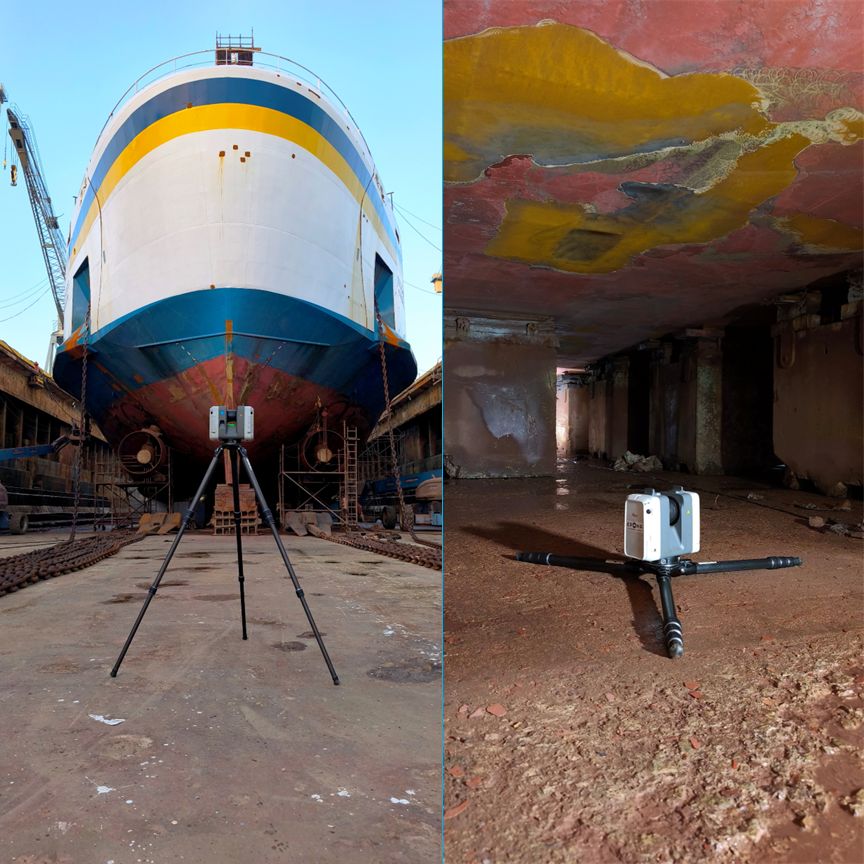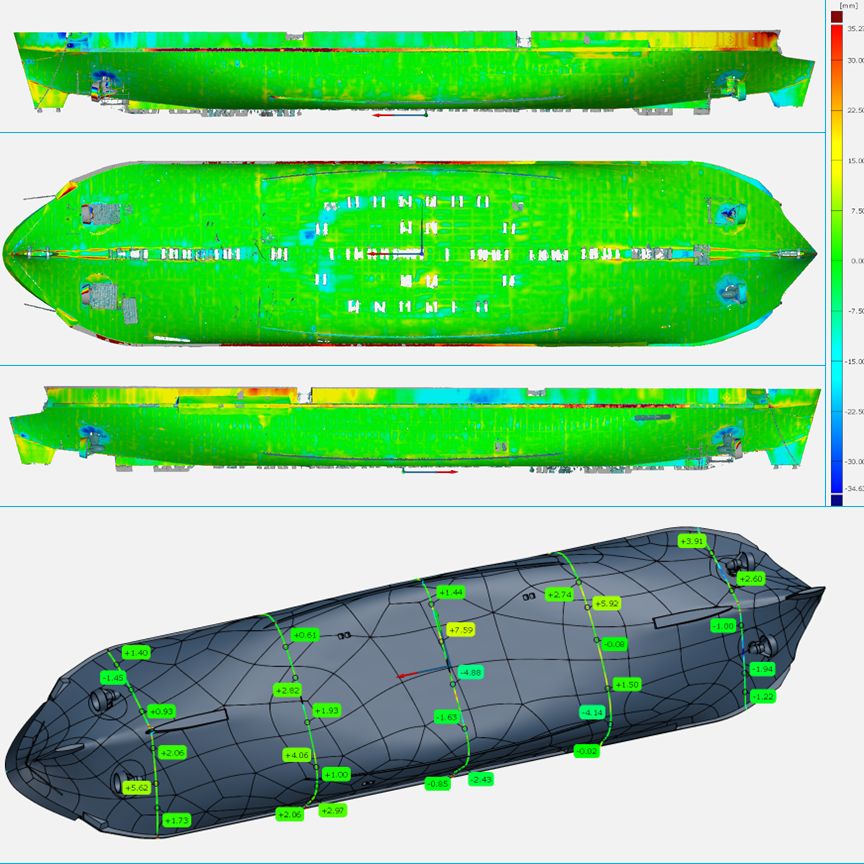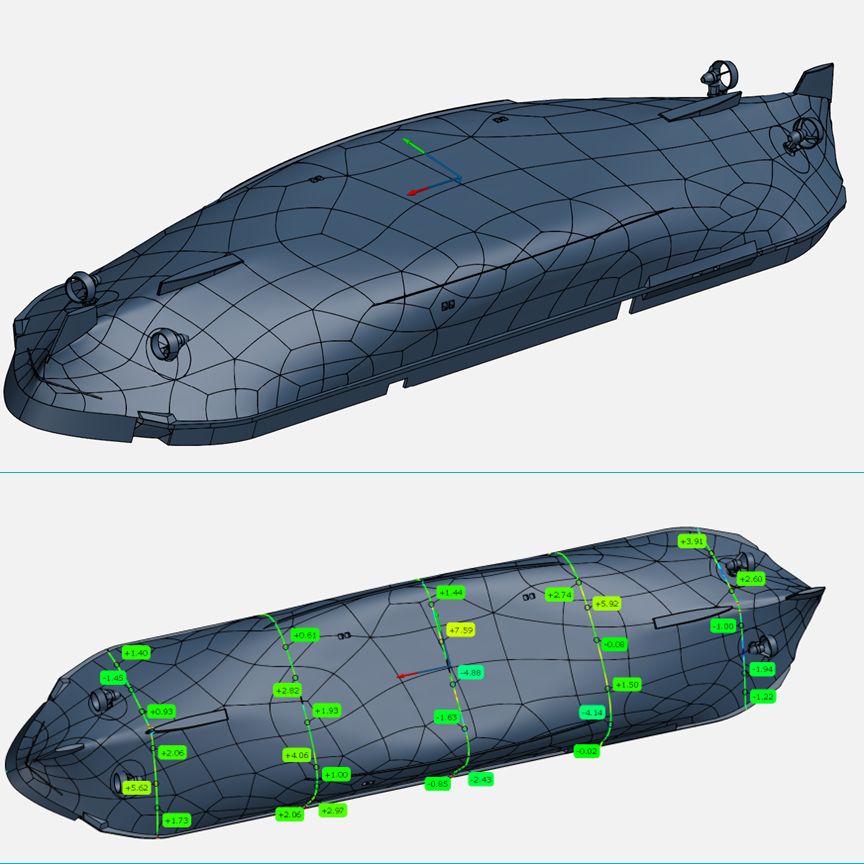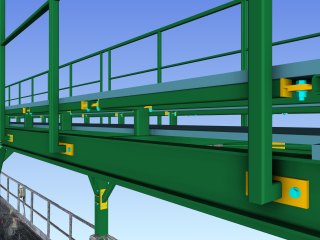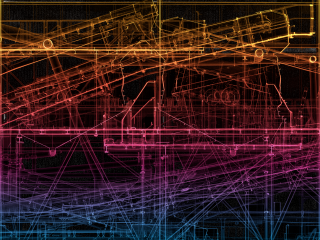

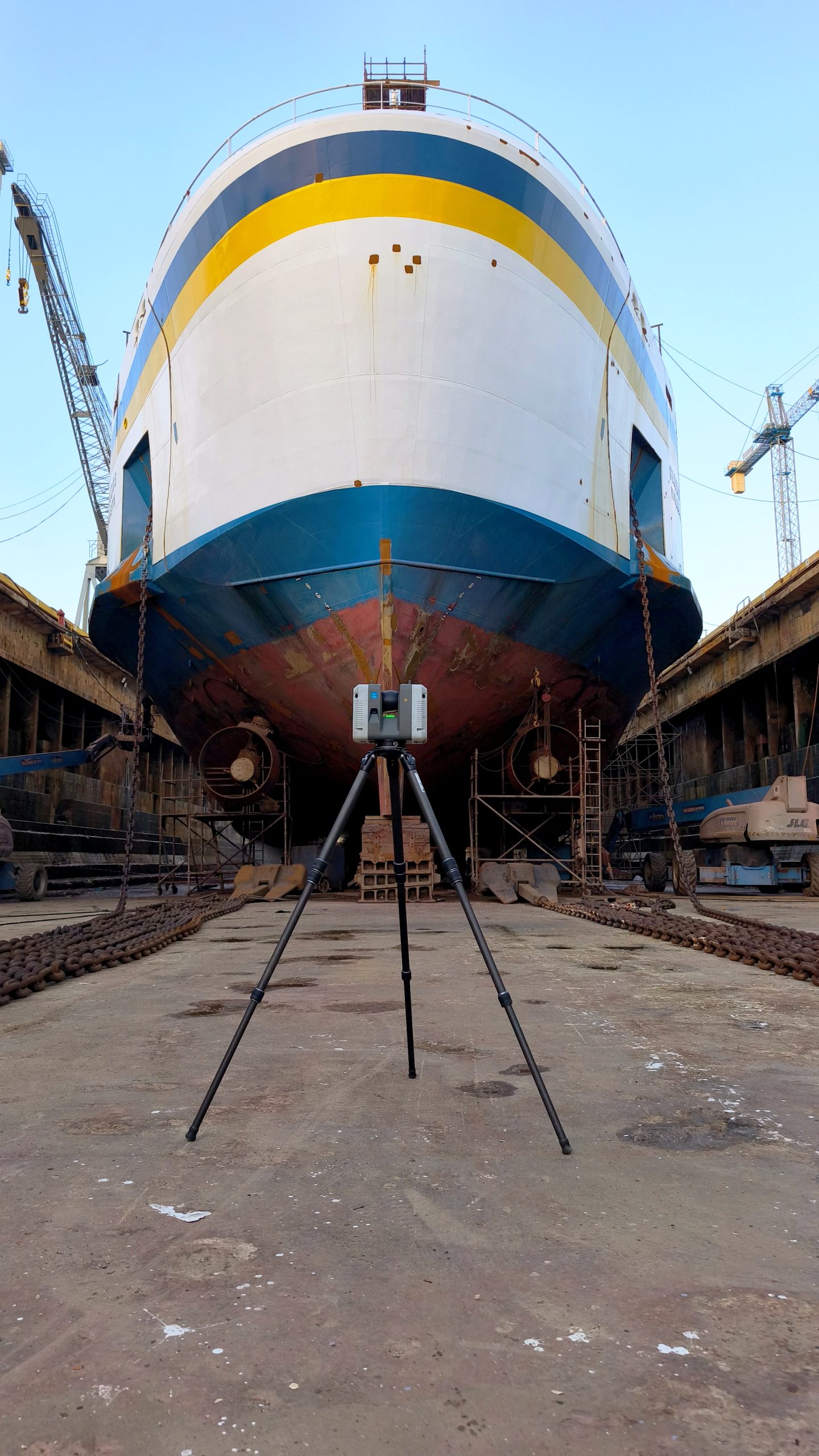
We performed a high-resolution 3D scan of the vessel’s hull to capture the exact as-built geometry for hydrostatic assessment and docking engineering applications.
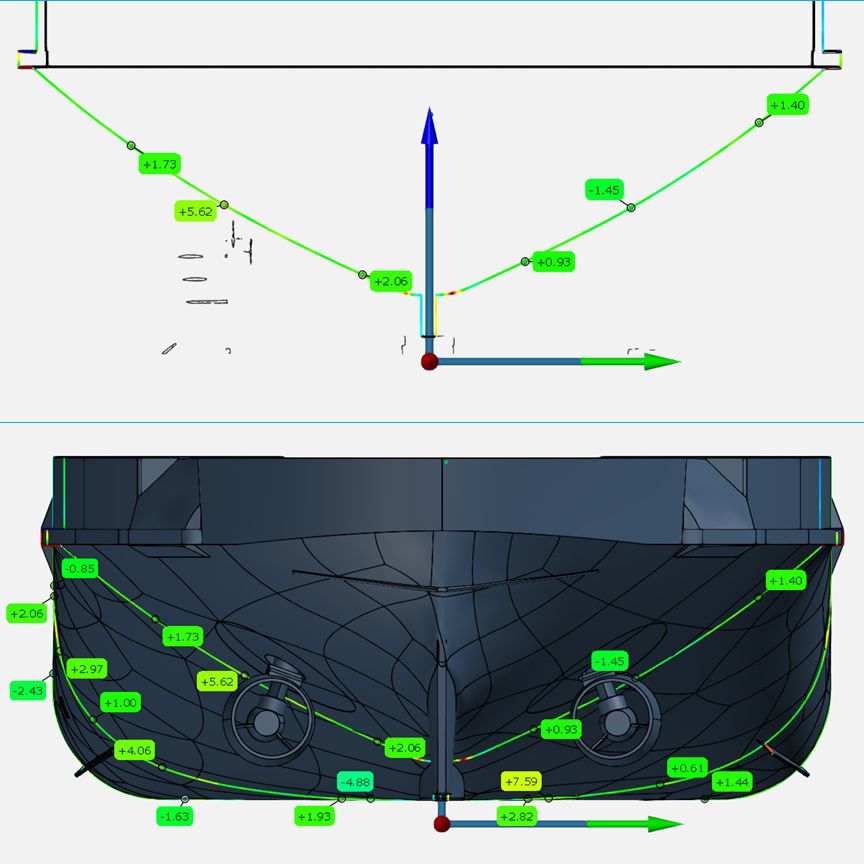
Using the acquired point cloud data, we developed a detailed STEP model of the hull form, enabling accurate hydrostatic calculations, including CFD verification.
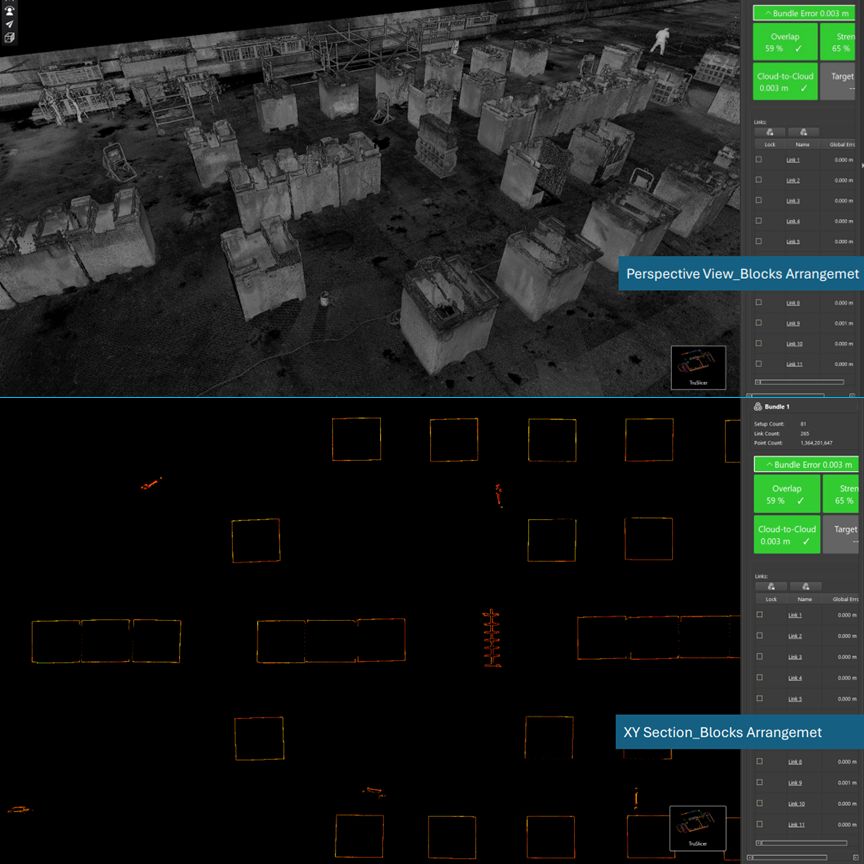
The validated digital hull model serves as a precise geometric baseline for optimizing keel and bilge block arrangements during dry docking operations.
Dependence on original design lines plans and theoretical hull geometry can introduce significant uncertainty, as they often fail to account for structural deformation, settlement, or in-service modifications.
By utilizing an as-built digital twin of the vessel, we ensure reliable CFD evaluation, accurate load distribution planning, and improved structural safety throughout the docking process.
hashtagMaritimeEngineering hashtagNavalArchitecture hashtagDryDock hashtagHydrostatics hashtagShipbuilding hashtag3DScanning hashtagDigitalTwin hashtagOffshoreEngineering hashtagHullForm hashtagDockingOperations hashtagMarineTechnology hashtagAsBuilt hashtagSTEPmodel hashtagShipRepair hashtagConditionOfFloatingEquilibrium